Science dissemination - Wydział Filozoficzny

The IDUJ program funds for 2026 have been fully allocated.
As a result, the call for new applications has been suspended.

 
The rules for project implementation and spending the funds remain unchanged (a short overview is provided below). In the case of projects covering both semesters, the release of the second part of the funding depends on the full use of the funds planned for the first semester. The use of the first part of the funding will be verified at the end of June. If any funds become available at that time - due to not using the first part or not starting the second - additional projects may be funded from among the applications already submitted that have not yet received support, or the call may be reopened.

***

In the current year, the IDUJ budget is divided into two semesters. Funds planned for the first semester should be spent by the end of June (and obligated, with ‘obligo’ created, by the end of May), while funds planned for the second semester should be spent by the end of October (and obligated by the end of September).
 
Note: Receiving a funding decision does not mean that an obligation (‘obligo’) has been created. An obligation is created for specific expenses at the request of the project manager. Only funds that are supported by appropriate documents - such as an invoice, travel request, contract, accounting note, etc. - may be obligated.
 
In the case of projects covering both the first and second semesters, their schedule should be divided accordingly. It will not be possible to transfer funds from the first to the second semester.
 
Due to the limited budget for 2026 and the intention to support as many staff members as possible, there is a limit of PLN 50,000, which is the total amount that each eligible person may apply for across all ID UJ calls this year.
 
***

More detailed information can be found in the staff mailing. If you have any questions, please feel free to contact us.

***

As part of the Excellence Initiative, there is a possibility of financial support for activities in the field of popularization of science. If you are interested, please contact Marta Maj, PhD (marta.maj@uj.edu.pl).

You can find information about the dissemination of scientific activities at the Faculty below.

Między subiektywnym doświadczeniem a fizycznymi właściwościami. Prof. Jerzy Gołosz o tym, jak zrozumieć upływający czas?
aktualności instytut filozofii publikacje popularyzacja

Between Subjective Experience and Physical Properties: A Jagiellonian University Philosopher on How to Understand the Passage of Time

28.10.2025
A full understanding of the concept of time requires combining the natural sciences with philosophical reflection, taking into account both physical properties and our subjective experience, writes Professor Jerzy Gołosz from the Faculty of Philosophy at Jagiellonian University.
Read More o Between Subjective Experience and Physical Properties: A Jagiellonian University Philosopher on How to Understand the Passage of Time
Polska krytyka eugeniki – głos sprzeciwu wobec pedagogiki nazistowskiej i ideologii rasistowskiej
aktualności instytut pedagogiki publikacje popularyzacja

Polish Critique of Eugenics – A Voice of Opposition to Nazi Pedagogy and Racist Ideology

22.10.2025
In the 1930s, eugenics became the foundation of the so-called Nazi pedagogy. In the Second Polish Republic, however, eugenic proposals - despite their popularity in other countries - met with clear opposition and were never legally sanctioned. Warnings from Polish educators and philosophers against eugenics and racism were tragically confirmed by the events of World War II, writes Professor Janina Kostkiewicz from Jagiellonian University.
Read More o Polish Critique of Eugenics – A Voice of Opposition to Nazi Pedagogy and Racist Ideology
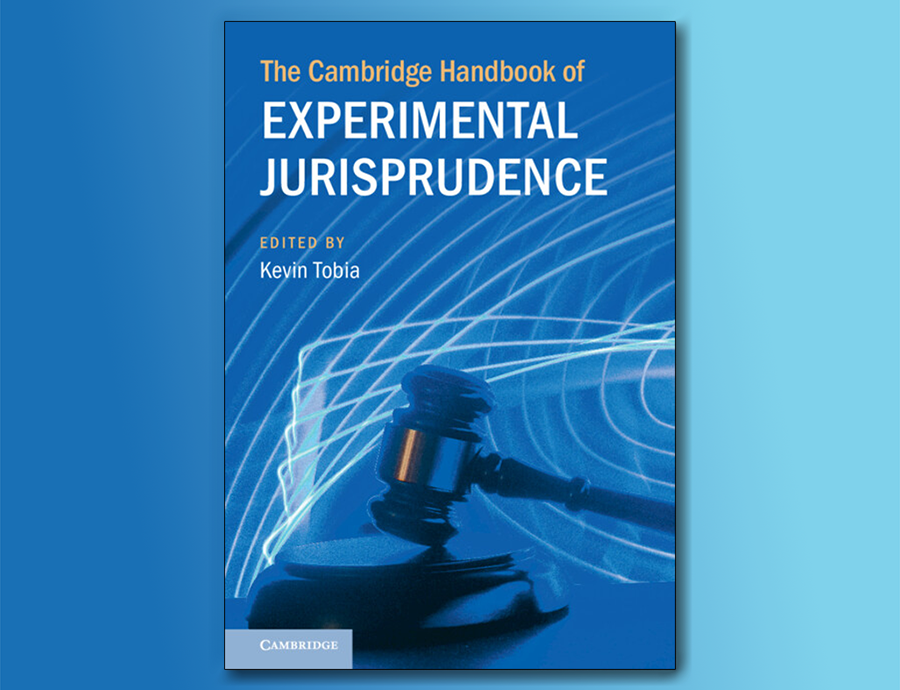
“Hipotezę zgody” w publikacji “Legal Interpretation as Coordination”, która została opublikowana jako rozdział książki Cambridge Handbook of Experimental Jurisprudence, testuje dr Piotr Bystranowski we współpracy z naukowcami hiszpańskiego Uniwersytetu w Grenadzie i amerykańskiego Centrum Prawa Uniwersytetu Georgetown.
aktualności incet publikacje popularyzacja

Cel czy litera prawa? Interpretując przepisy wolimy ściśle trzymać się tekstu

03.10.2025
​Interpretując przepisy prawne, częściej kierujemy się precyzyjnym tekstem, a nie postrzeganym celem regulacji. Jak pokazują badania z udziałem dra Piotra Bystranowskiego z Uniwersytetu Jagiellońskiego, tekst prawny ma charakter publiczny i dostępny, więc staje się widocznym punktem odniesienia, podczas gdy cel jest bardziej ukryty, zróżnicowany i trudniejszy do komunikowania.
Read More o Cel czy litera prawa? Interpretując przepisy wolimy ściśle trzymać się tekstu
Kiedy naprawdę umieramy? Filozof UJ o definicjach ludzkiej śmierci
aktualności instytut filozofii publikacje popularyzacja

When do we really die? A Jagiellonian University philosopher on definitions of human death

23.09.2025
Where exactly does the boundary between life and death lie? In medicine, neurological criteria—meaning the irreversible loss of all brain functions—are now used to determine death. In addition to these biological foundations of death, its social, legal, and ethical dimensions are also important. These issues are addressed by philosophers, including Dr. habil. Piotr G. Nowak from the Institute of Philosophy at the Faculty of Philosophy of the Jagiellonian University.
Read More o When do we really die? A Jagiellonian University philosopher on definitions of human death
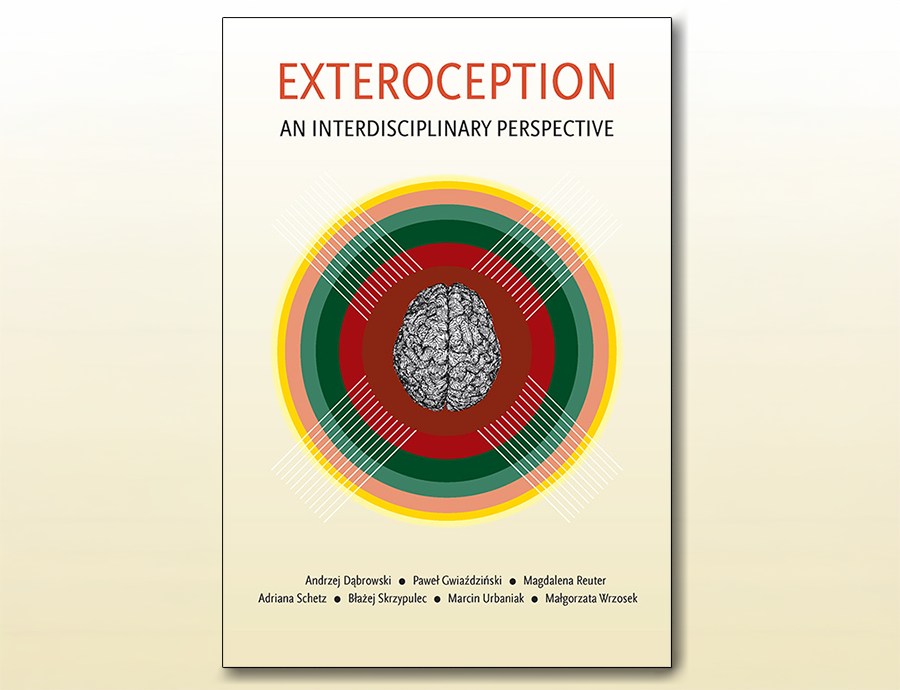
Czy smak istnieje? Dr hab. Błażej Skrzypulec, prof. UJ z Katedry Kognitywistyki o wielozmysłowej naturze jedzenia.
aktualności katedra kognitywistyki publikacje popularyzacja

Does taste exist? A Jagiellonian University philosopher on the multisensory nature of eating

15.09.2025
The way we perceive the taste of strawberries, coffee, or almonds is influenced not only by traditionally understood flavors such as sweet, bitter, or sour, but also by sight, sounds, and even our memories and experiences. What we call “taste” is actually a complex phenomenon involving multiple senses, notes philosopher Dr. hab. Błażej Skrzypulec, Professor at the Jagiellonian University’s Centre for Cognitive Science, Faculty of Philosophy.
Read More o Does taste exist? A Jagiellonian University philosopher on the multisensory nature of eating